

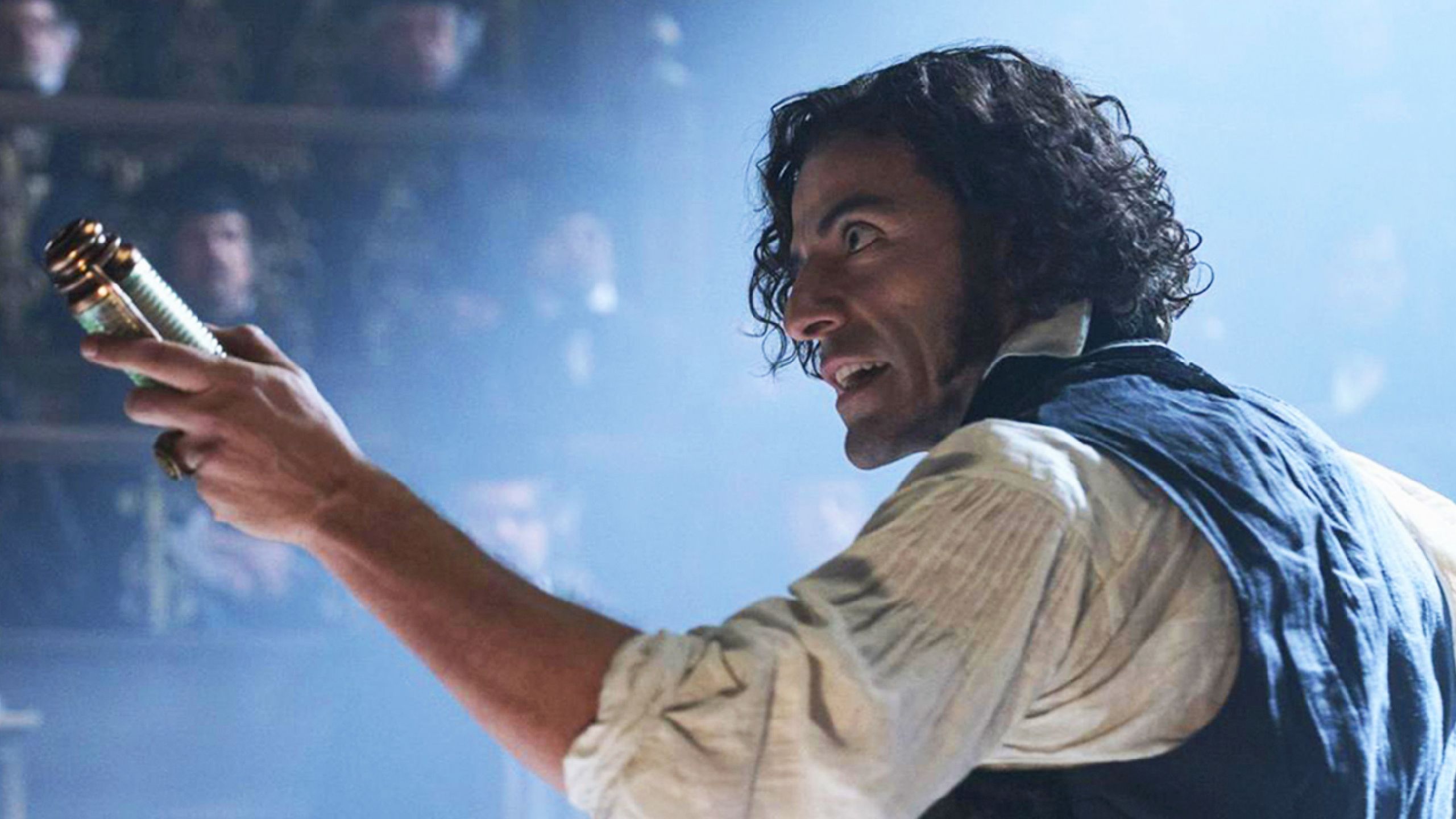
Like the creature of Frankenstein, since its birth in 1818, the story of Frankenstein that we know today has emerged from a collage of various literary eras, religious beliefs, spirituality, and advancements in science.
On the occasion of the release of Frankenstein (2025) by Guillermo del Toro (director of Shape of Water) on Netflix, Thairath invites you to explore some fragments of the creation of Frankenstein over the past 200 years.
Frankenstein; Or, The Modern Prometheus
WriterMary ShelleyPublished in 1818, the story revolves aroundVictor Frankensteina scientist obsessed with the mysteries of life, who attempts to conquer nature by creating a living being from dead bodies, only to realize too late that his ambition has created a ‘monster,’ leading both to a cycle of sorrow and violence.
The tagline The Modern Prometheus comes from the character of Victor Frankenstein, who is inspired by Prometheus, the Titan from Greek mythology who created humans from clay and was punished for stealing fire from the gods to give to humanity—a fire that enabled human advancement but also led to conflict and killing.
Frankenstein and Prometheus reflect the same issue: questioning the morality and boundaries of progress.
It’s Alive! : ‘Lightning’ is what follows in Frankenstein (1931).
What we most vividly remember about the creature of Frankenstein is that it is a living being made from the sewn-together corpses of several people and brought to life by lightning. But did you know that the use of electricity to revive it is never mentioned in the book? In Shelley’s text, there are no details on how Frankenstein accomplished this.
The lightning that awakens the creature originates from the 1931 film version.
There are various interpretations of why the film chose to use lightning; it symbolizes life along with violence and death, or some say the director wanted to reference the medical technique of Galvanism, which uses electric currents to make muscles move, a concept developed in the 18th century, during the same period the book was published.
"It’s a European story told through Latin eyes."
How Frankenstein (2025) is influenced by melodramatic Latin drama.
207 years have passed since the book was published, and director Guillermo del Toro continues to find ways to insert new elements into the tale of Frankenstein. In an interview with GQ magazine, the Latinx lead actor Oscar Isaac, who plays Victor, mentioned that he feels like he's performing in a 'Mexican melodrama'.
"What we are doing here is clearly a Mexican melodrama. It’s a European story told through very Latin eyes. It’s so heavy that I had to whisper, ‘Is this too much?’ And he (del Toro—director) replied, ‘Hey, you fool (cabrón), it’s no coincidence that the character playing Victor in this version is Oscar Isaac Hernandez,’” Oscar Isaac stated.
The characteristics of a Mexican melodrama include bold visual design, settings, and costumes, with emotional intensity as a cornerstone of the narrative, especially focusing on pain, discussing ethics directly, and often centering around family issues.
If anyone has seen Frankenstein (2025), they will notice those characteristics are present throughout the film. For example, the character traits have been adapted to make the film more about family; Victor’s father has been transformed from the perfect father in the book into an oppressive father who instills in him the cycle of oppression towards his own ‘children.’
From the first piece of literature to the iconic horror film adaptations, the story and fragments of Frankenstein have been explored in numerous contexts, including the ethics of technological development, human judgment, and questions surrounding life and death.