

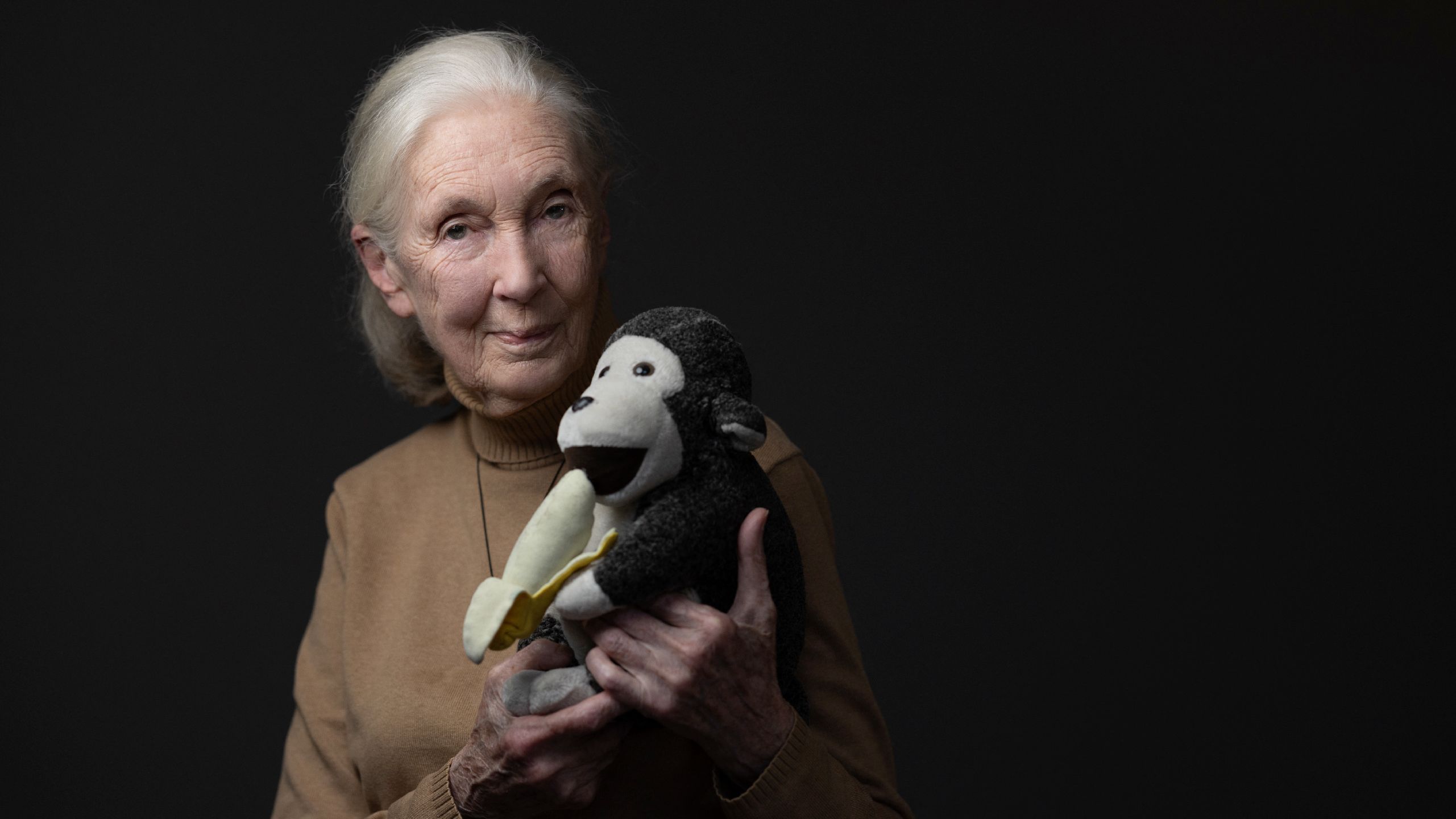
Jane Goodall (เจน กูดดอลล์), a renowned Primatologist and environmental conservationist from England, passed away peacefully on October 1, 2025, at the age of 91. Jane was recognized as an expert on chimpanzees, and throughout her over 60 years of work, her research played a significant role in demonstrating the similarities between the behaviors of apes and humans. Her discoveries revolutionized the scientific field, and she was an important figure tirelessly working in nature conservation.
From a young age, Jane was captivated by Africa and had a deep love for animals, inspired by reading "Tarzan of the Apes." She once shared, "At that time, there was no TV, so I liked reading books about wildlife. I didn't intend to become a researcher because I thought it wasn't something women did." It wasn't until she had the opportunity to work with Dr. Louis Leakey (ดร.หลุยส์ ลีคกี้), a famous paleoanthropologist researching human origins, that her dedication and perseverance essential for fieldwork led him to choose her to study chimpanzees, the closest relatives to humans. In 1960, at the age of 26, she traveled to Gombe Stream National Park (อุทยานแห่งชาติกอมเบสตรีม) in Tanzania, Africa, to study the behavior of wild chimpanzees.
Another notable aspect of Jane's research methods was their difference from typical research practices, which were often seen as 'strange' because she named the chimpanzees. In contrast, most researchers referred to animals by numbers to avoid personal attachment, which led to various criticisms directed at Jane.
Jane once recounted, "After we started accepting scientific principles, we (humans) are part of living beings as well. I believe many people name their pets, whether dogs, cats, or rabbits, and you know well that we (humans) are not the only creatures on this planet with personalities, minds, and feelings."